SieTec and Draftec Launch Platform
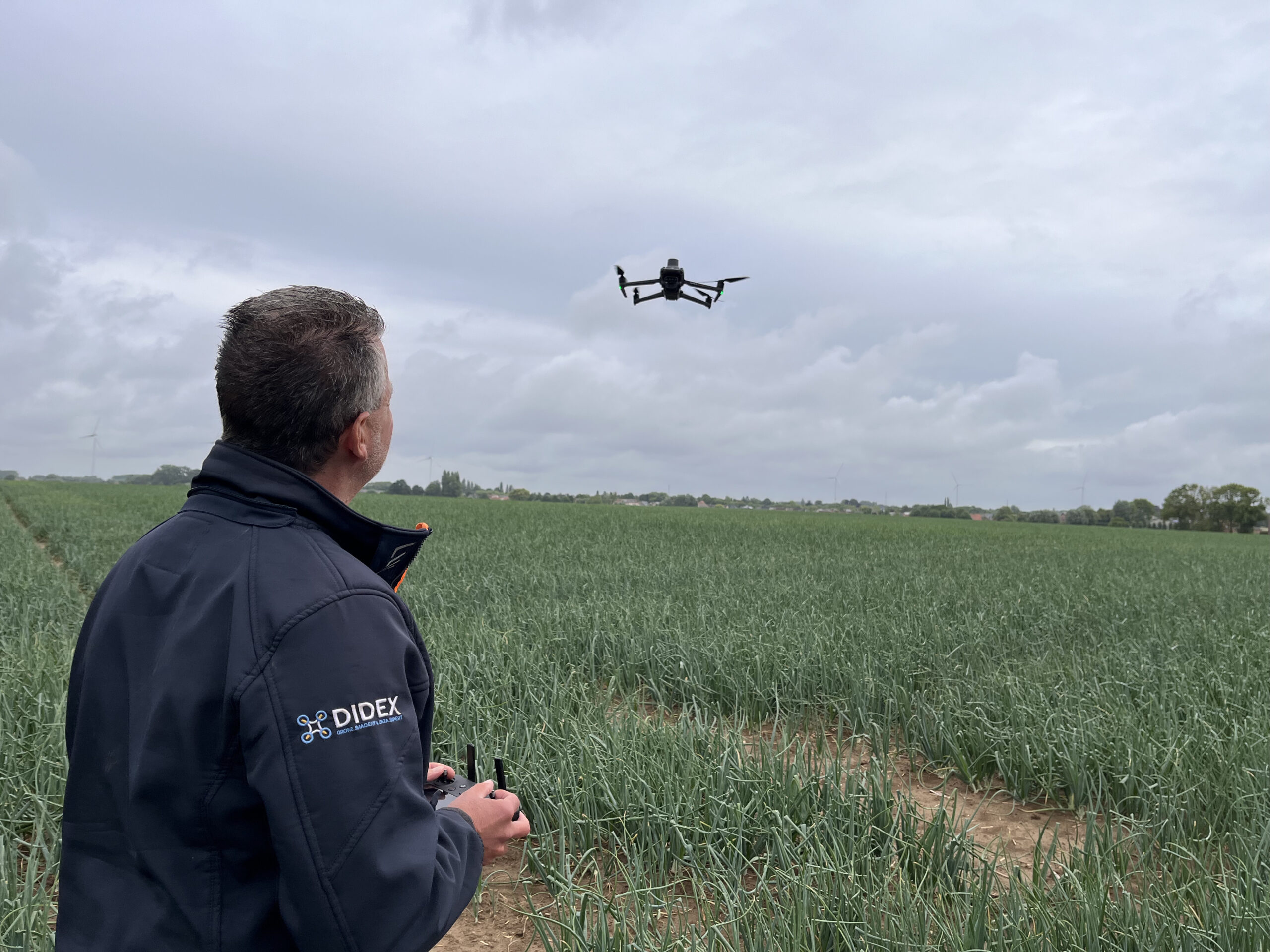
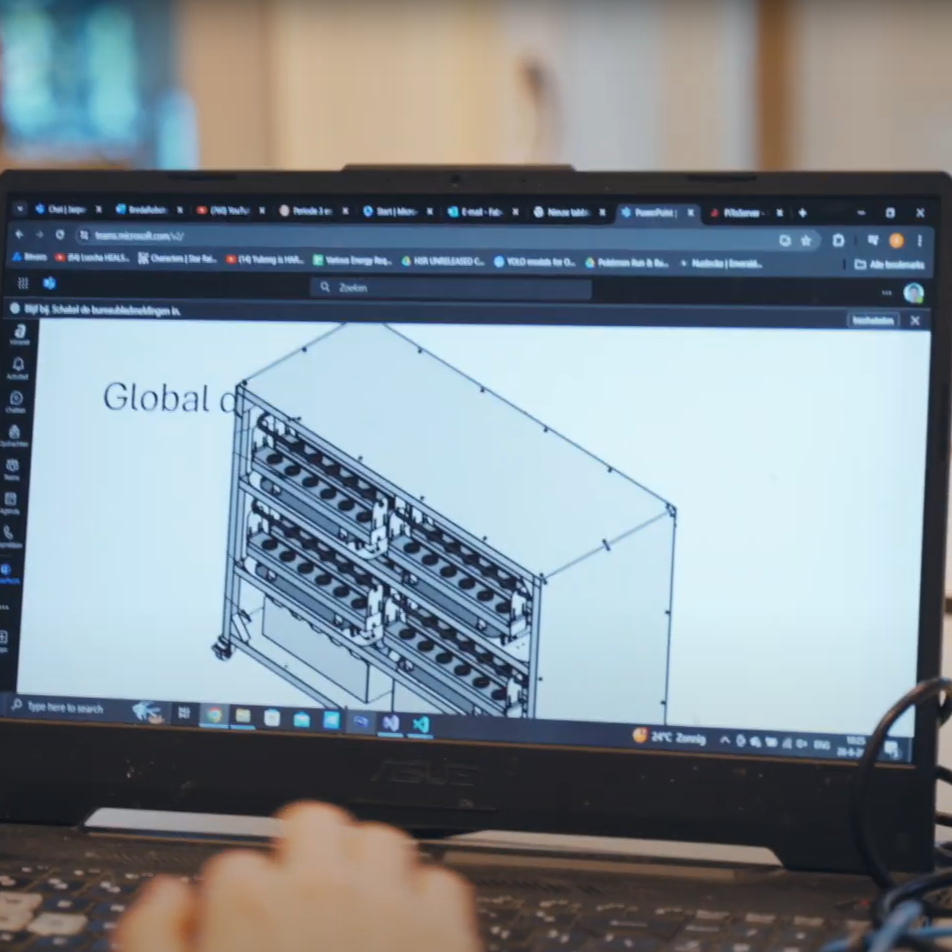
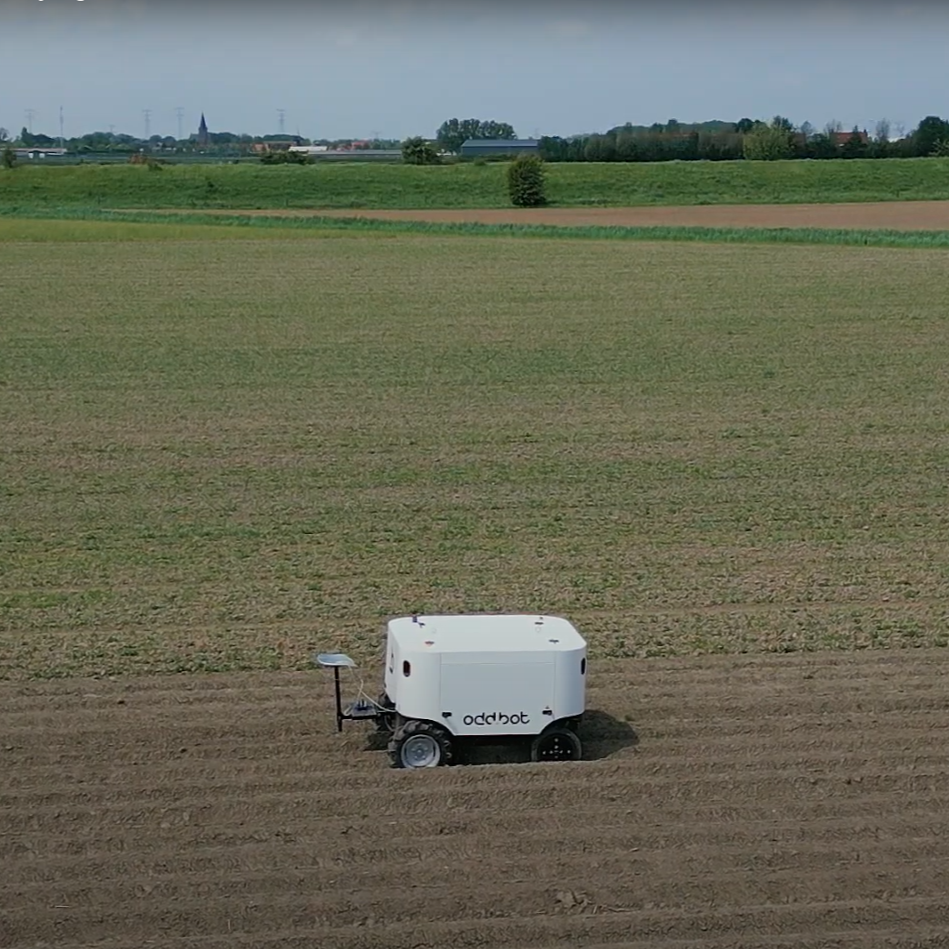
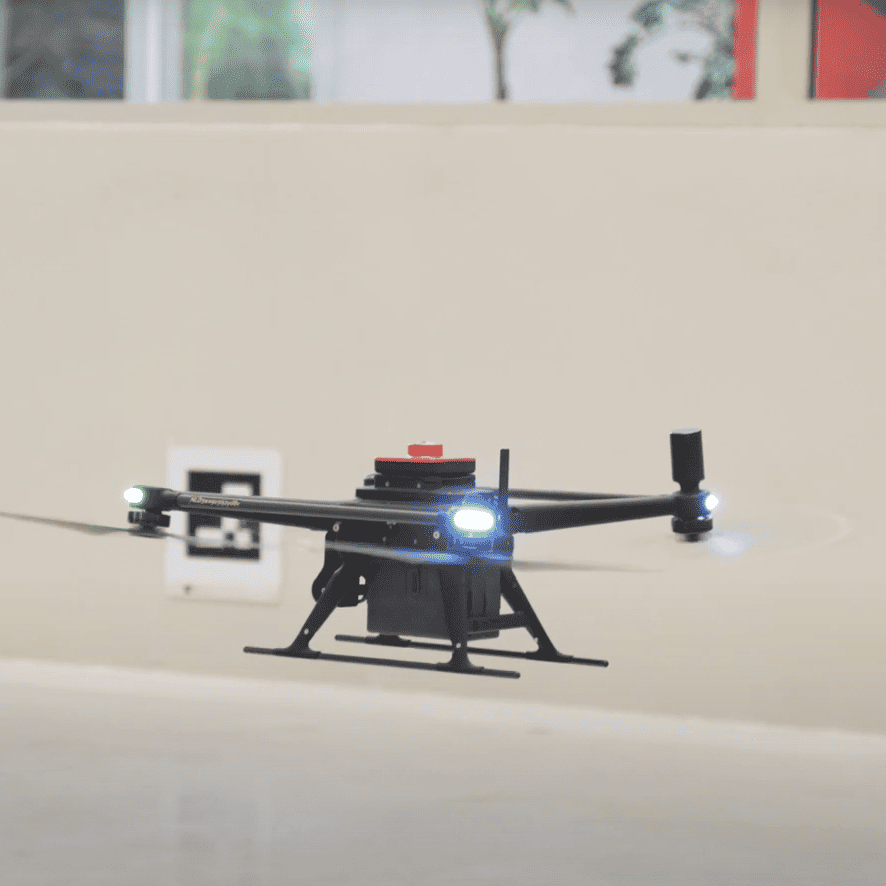
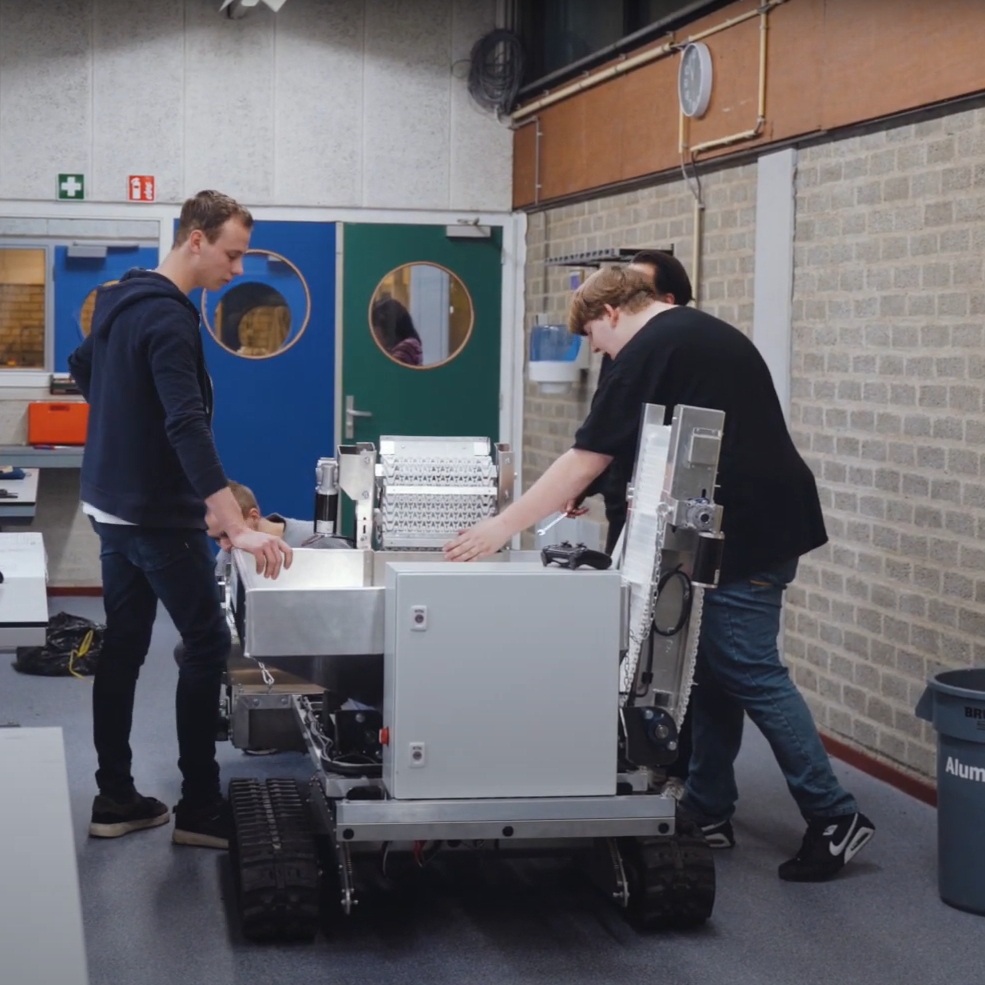
Drones and robot crawlers are increasingly being deployed for inspection or maintenance in the chemical industry. Building the right equipment is a challenge in itself. They also need to be able to reach their destination and be launched safely to get the job done well and securely. Zeeland-based companies SieTec Industrial Automation and Draftec are working together on a launch platform that should offer a solution for this.
Since 2010, SieTec Industrial Automation, based in Terneuzen, has been providing automation solutions to companies in various sectors. SieTec exclusively works with Siemens projects. In the past, SieTec frequently collaborated with Draftec from Middelburg. Since 2009, Draftec has developed into a high-end system and machine builder in heavy industry. Draftec specialises in mechanical, hydraulic, and electrical systems.

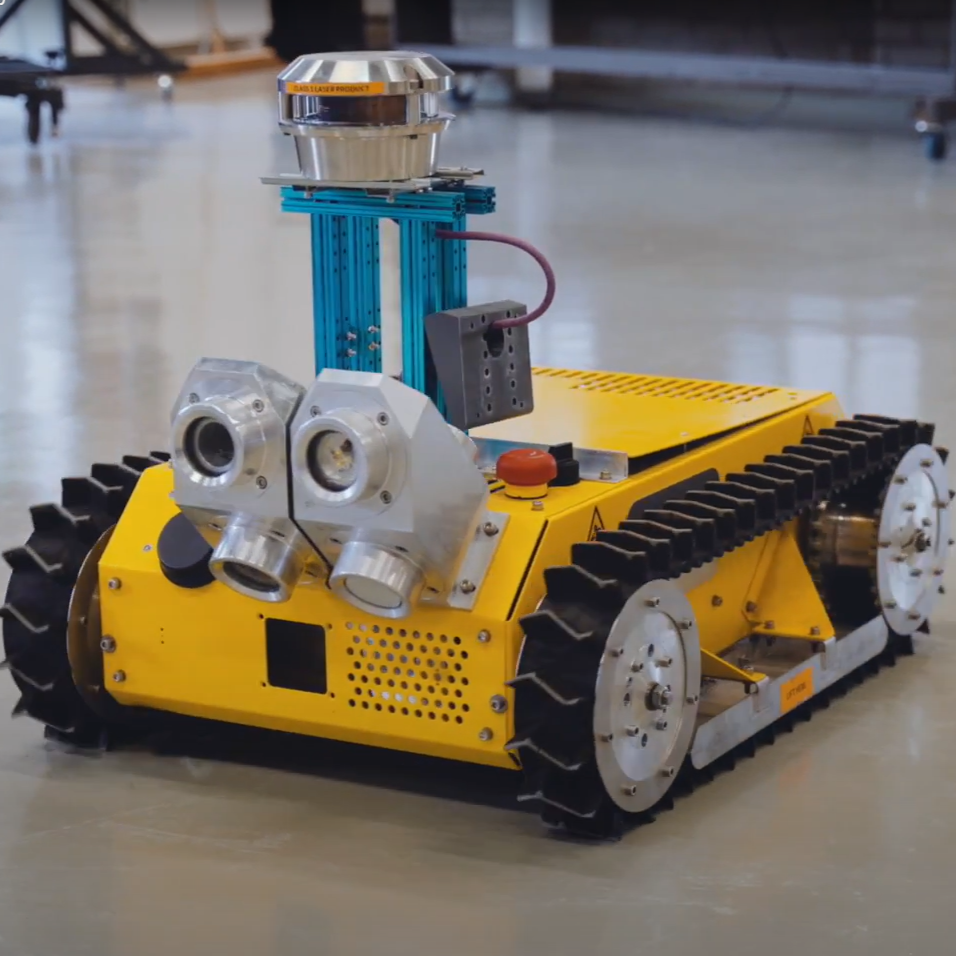
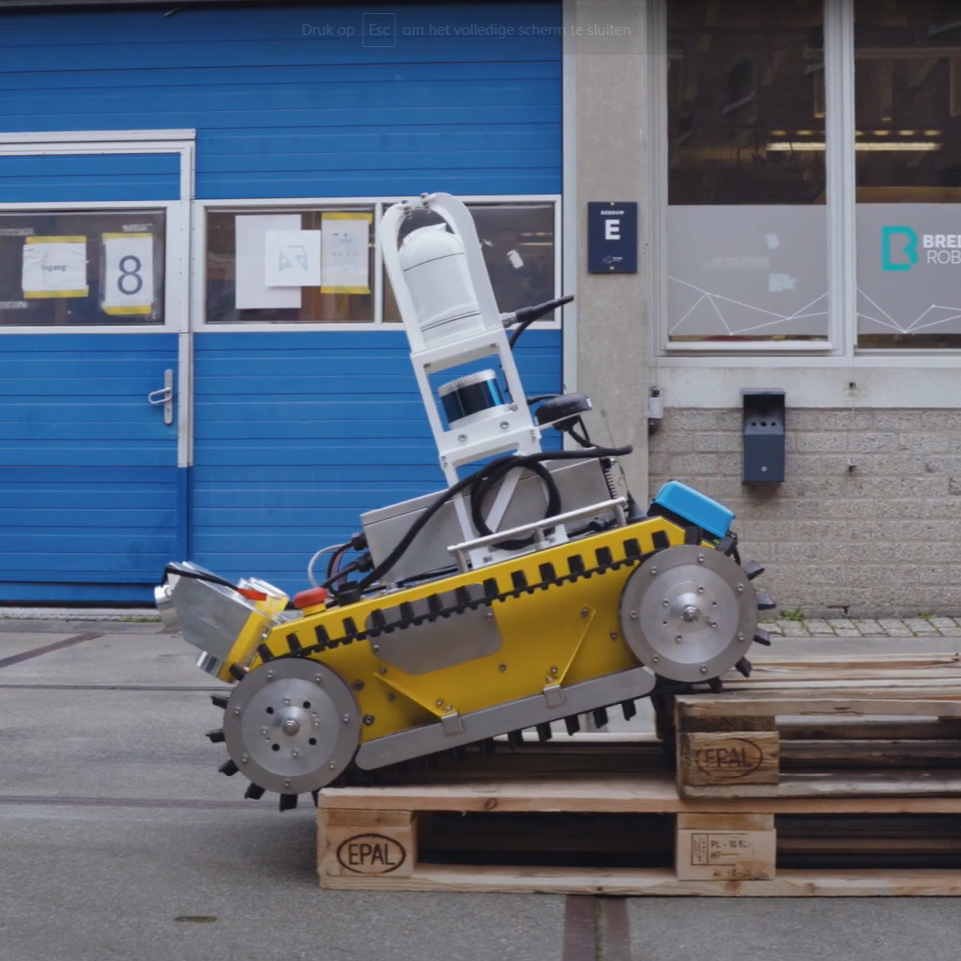
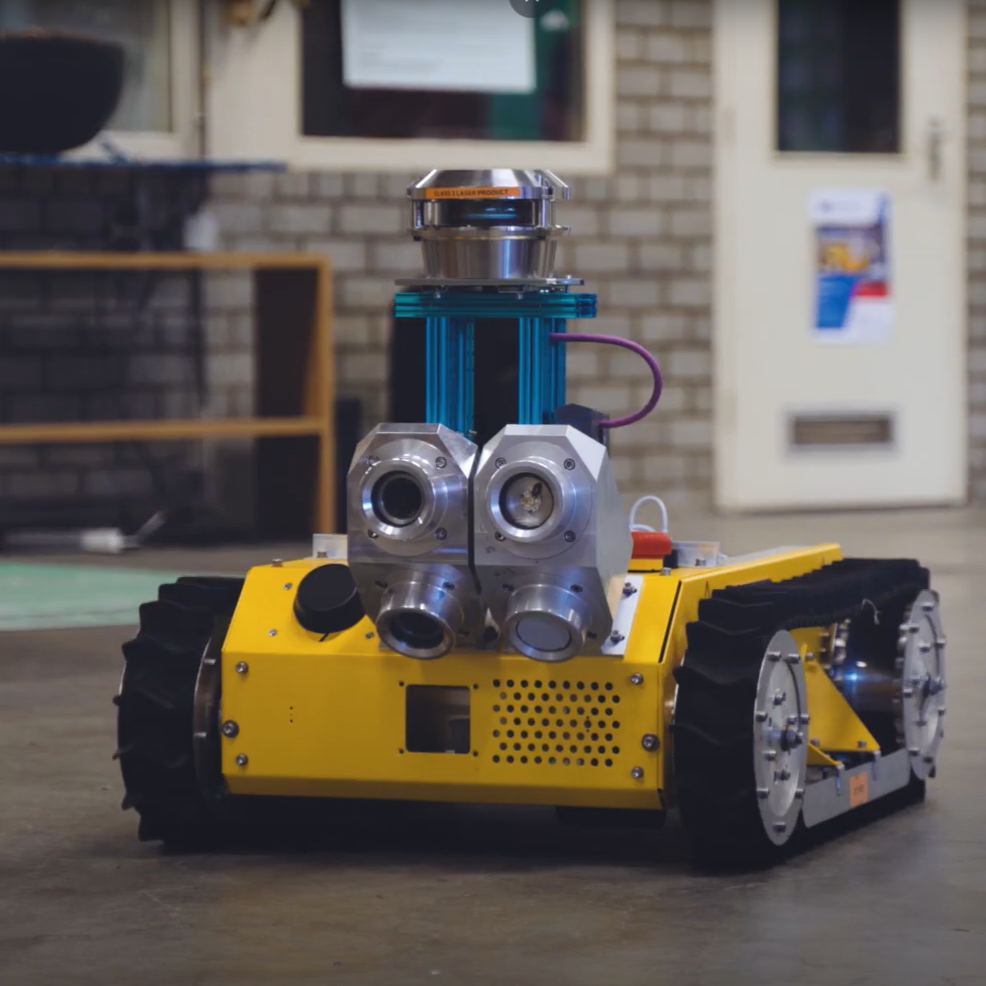
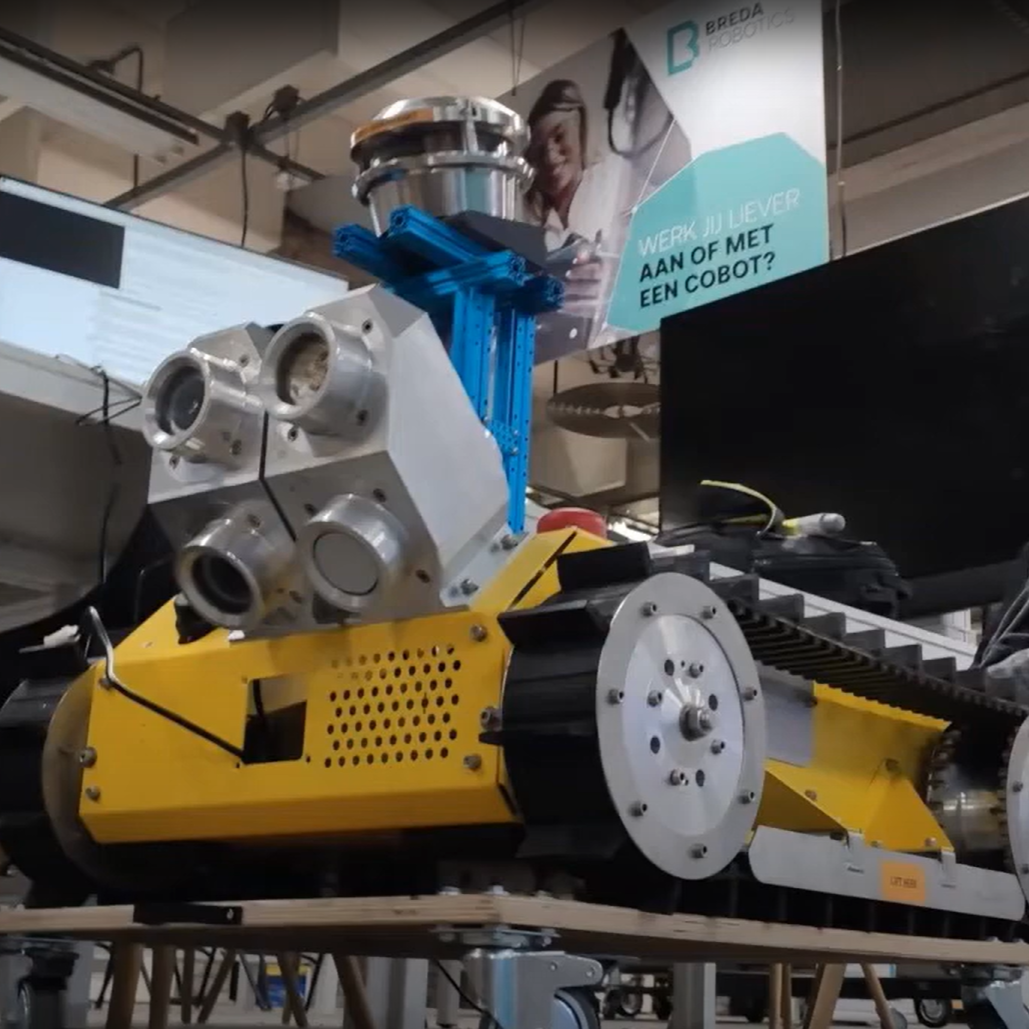
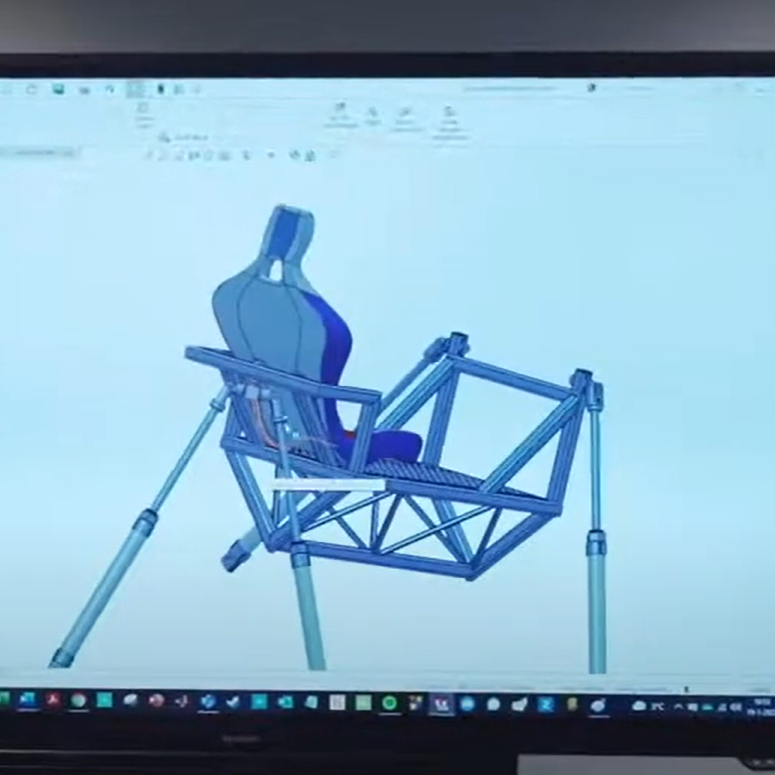
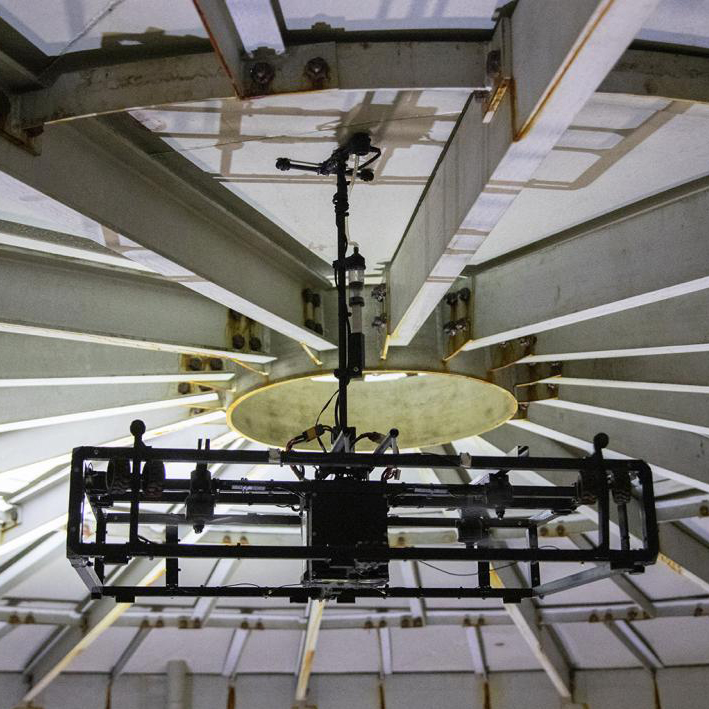
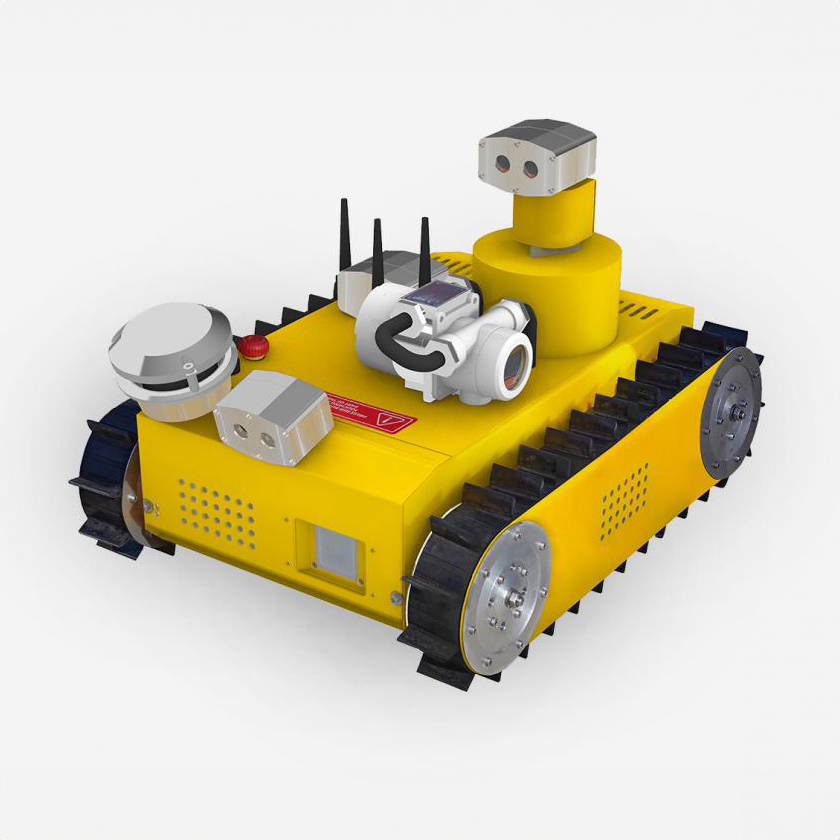
SieTec and Draftec are jointly attempting to find a solution for launching drones and crawlers in hard-to-reach or unsafe locations, such as a tank, the highest point of a wind turbine, or the bottom of a ship. In a ship's hold, a drone may have difficulty taking off because the object needs to be stable. A crawler must be able to pass through narrow openings and be brought to the correct location from a distance. Currently, drones, crawlers, and other robots always need to be physically placed in the confined space by a human operator. The launch platform can offer a solution for this.
In the project, SieTec is responsible for the automation and Draftec for the drive and engineering. Both companies hope to be able to present the first prototype by the end of 2020 or the beginning of 2021.
October 2020 update
The project's focus is now entirely on launching crawlers through a manhole in a tank. Drones can fly in and do not necessarily need such a platform. A solution is already available for manholes located on the top of the tank. However, there is a need for a method of launching a crawler through a manhole on the side, where the robot can secure itself against the wall. The space around the tank, the size and design of the manhole, and the type of tank play a role in this. Various options have been investigated. The current design consists of a ramp on which the crawler can drive in. This possibility is being further investigated.