Project information
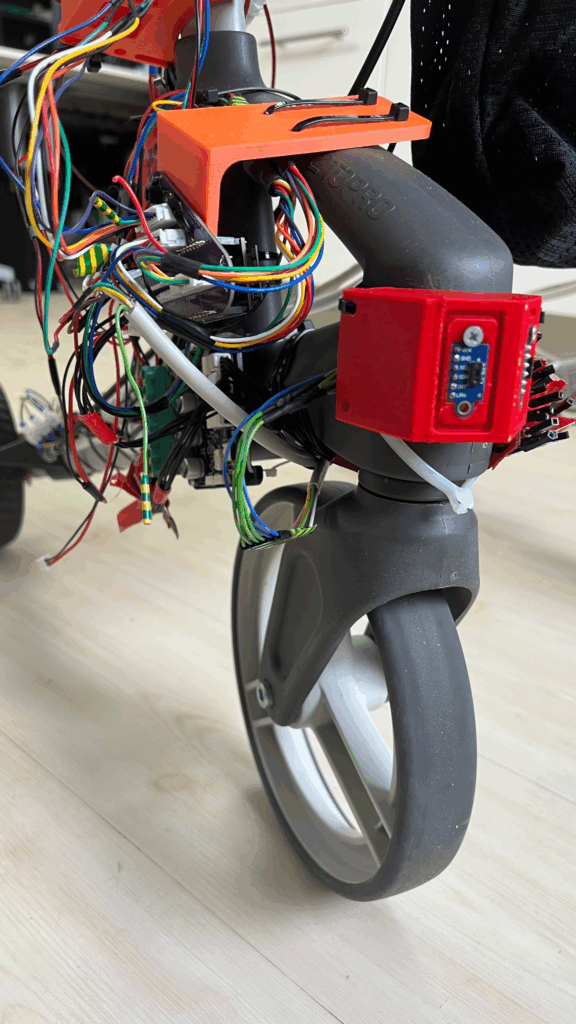
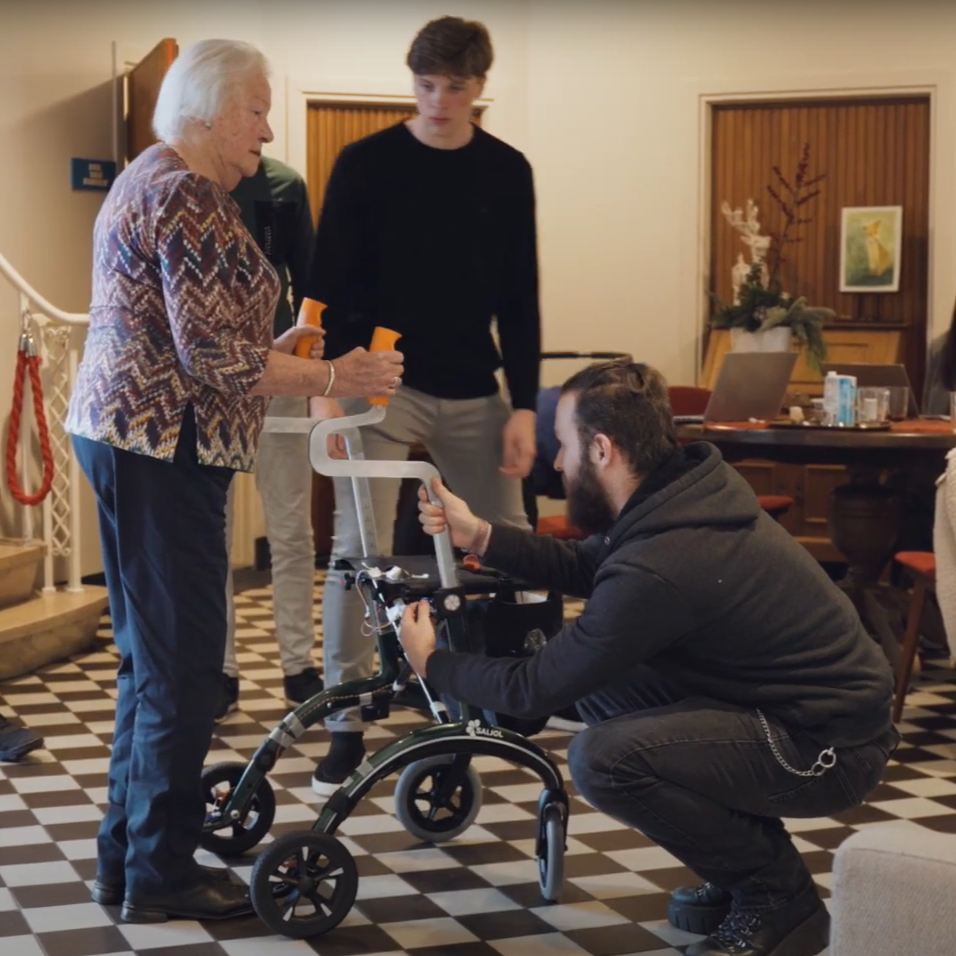
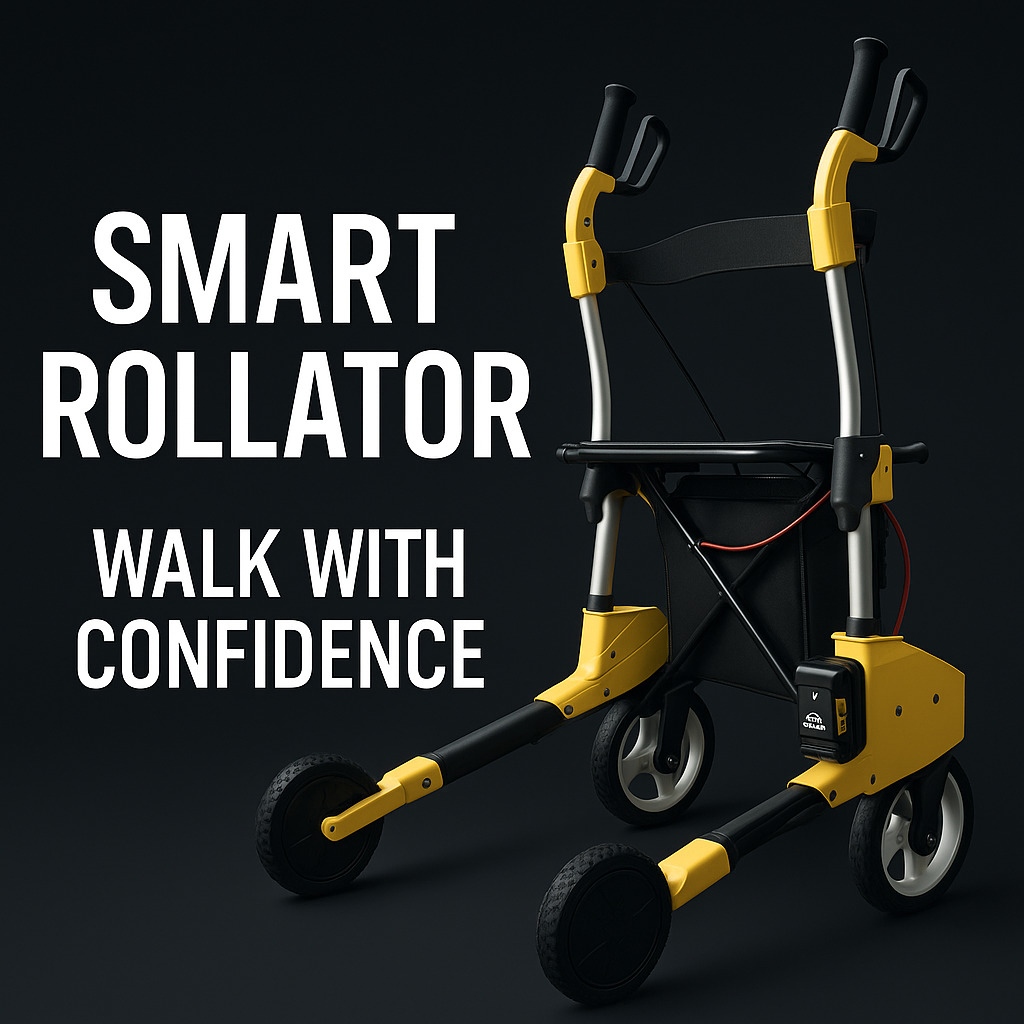
The Smart Rollator is an innovation project within Breda Robotics’ New Technology programme. The aim: to develop a rollator that actively supports the elderly with their mobility and safety. The smart rollator detects when a user is falling too far behind and automatically intervenes by braking. Sensors continuously measure the distance between the user and the rollator, and activate the braking system if necessary. This helps to prevent falls, particularly for people with Alzheimer's or Parkinson's.
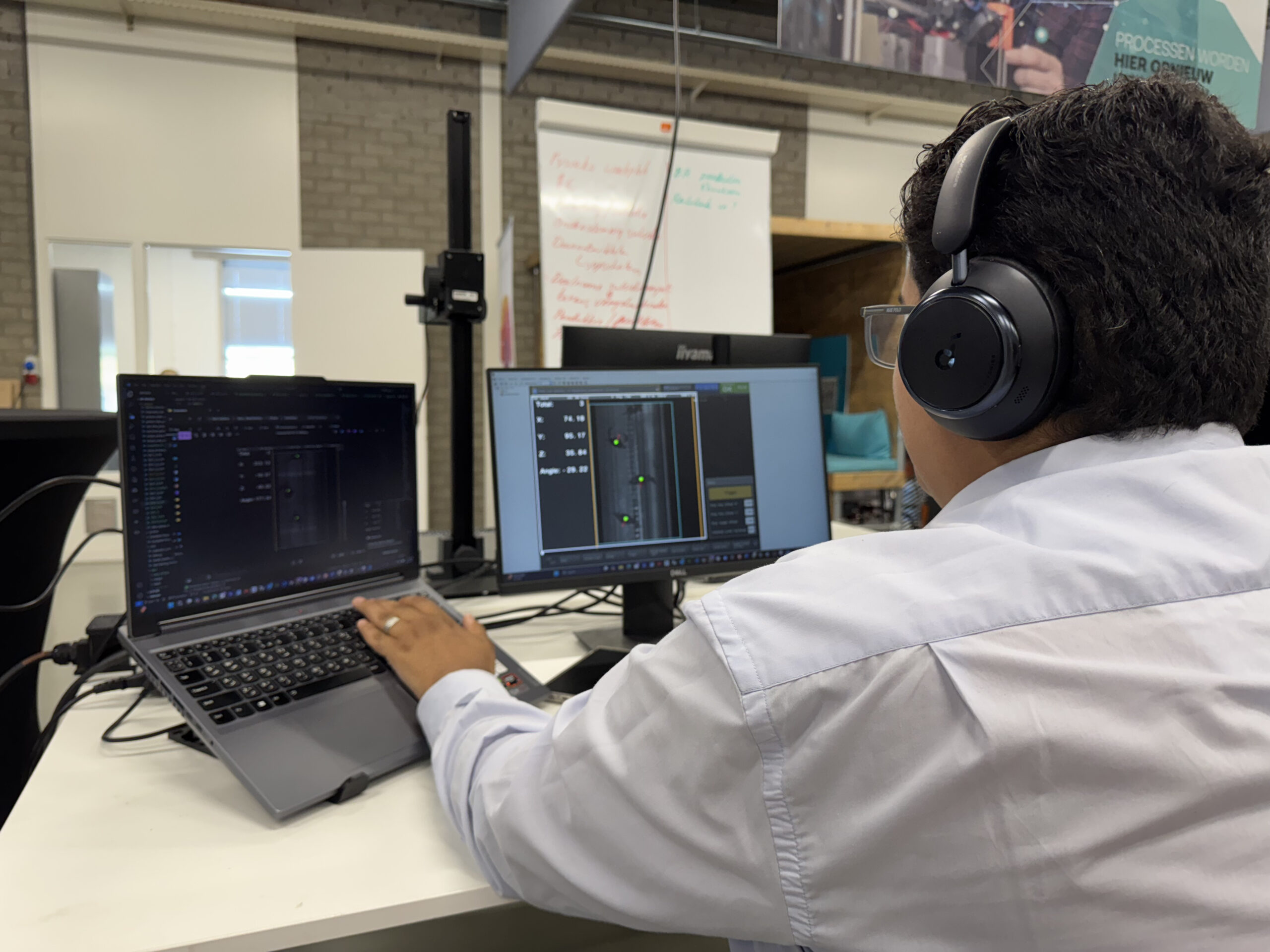
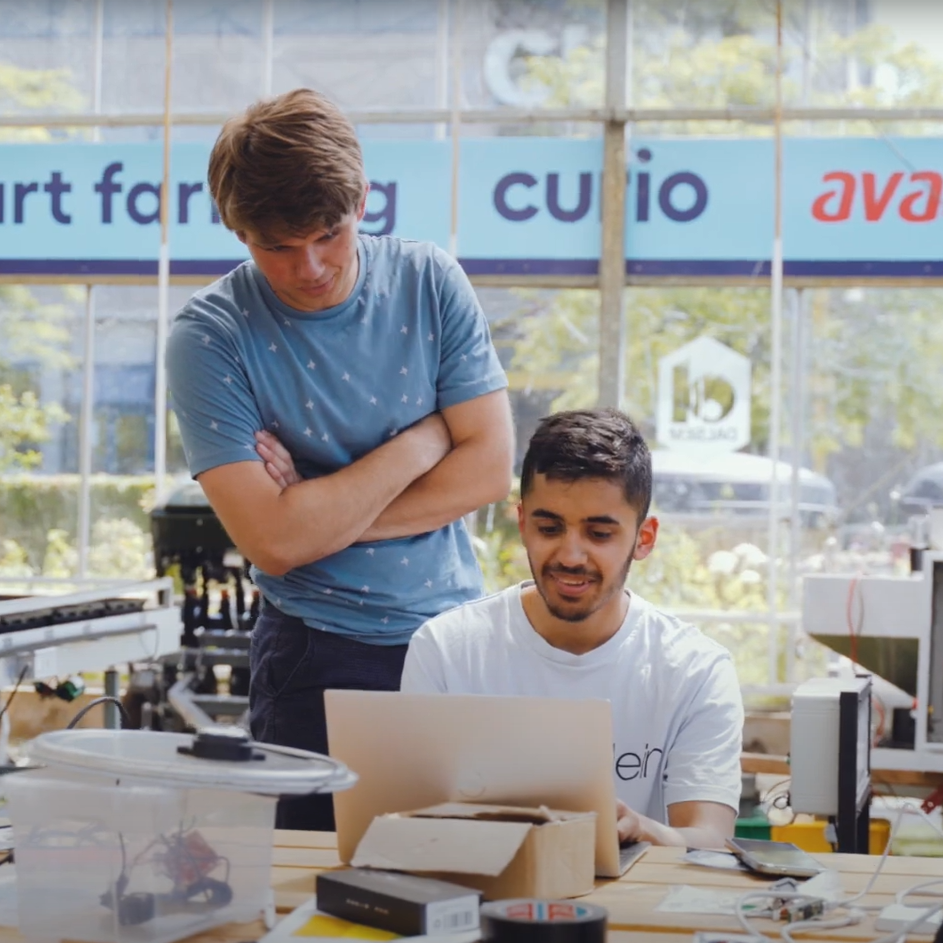
The project began in 2024 and focuses on developing a CE-marked demonstrator. The approach is iterative: from prototype construction to validation in collaboration with healthcare professionals. Students from Avans University of Applied Sciences are actively involved in the design and further development.
What has been realised?
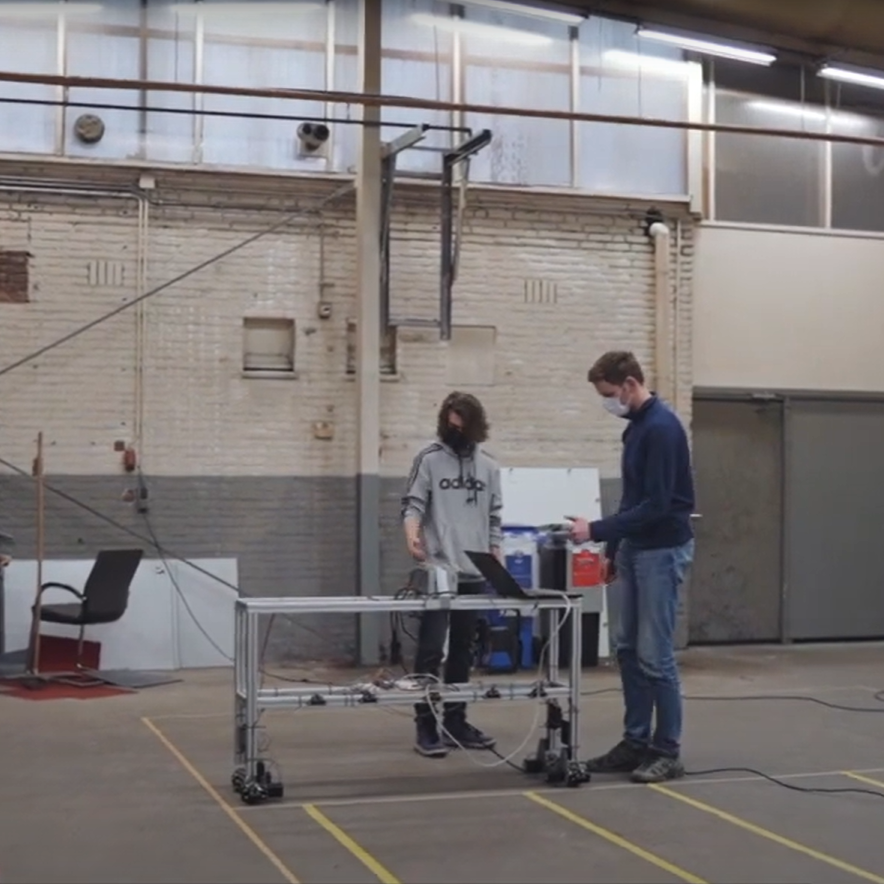
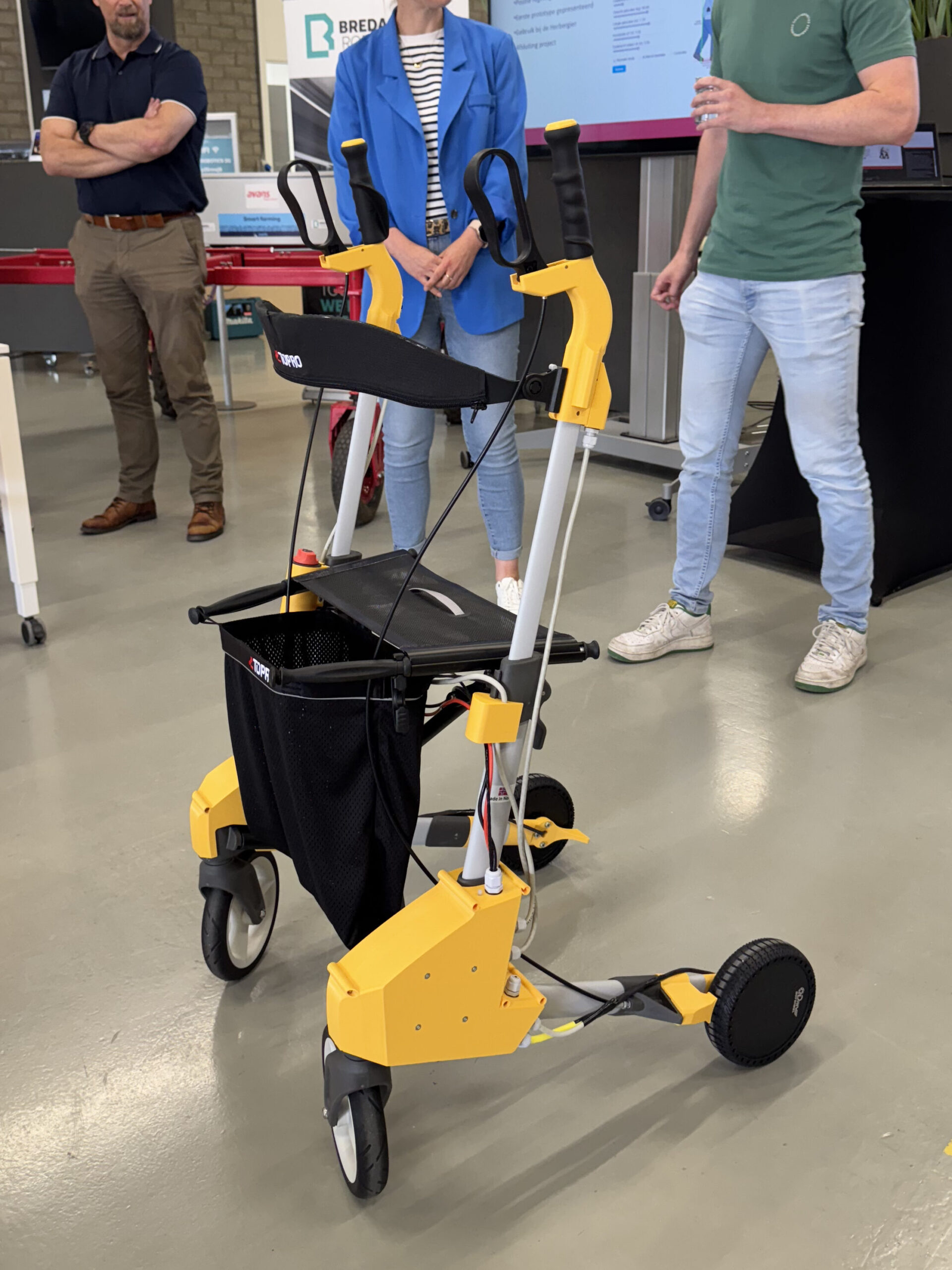
The smart rollator project has now reached a number of important milestones. A working prototype has been developed, equipped with powered wheels, sensors, and its own control system. This rollator detects when the user falls too far behind and automatically intervenes by braking, which significantly reduces the risk of falls. The technology is specifically designed for people with conditions such as Alzheimer's or Parkinson's. The prototype has been successfully demonstrated at care facility De Herbergier and during Breda Robotics events. Furthermore, the braking system has been further refined, and features such as obstacle detection and motion tracking have been integrated. The Breda Robotics assessment committee has reviewed the project positively and advised developing an add-on that can be fitted to existing rollators. The technical development process is currently nearing completion, and the validation phase will commence shortly.
Project information
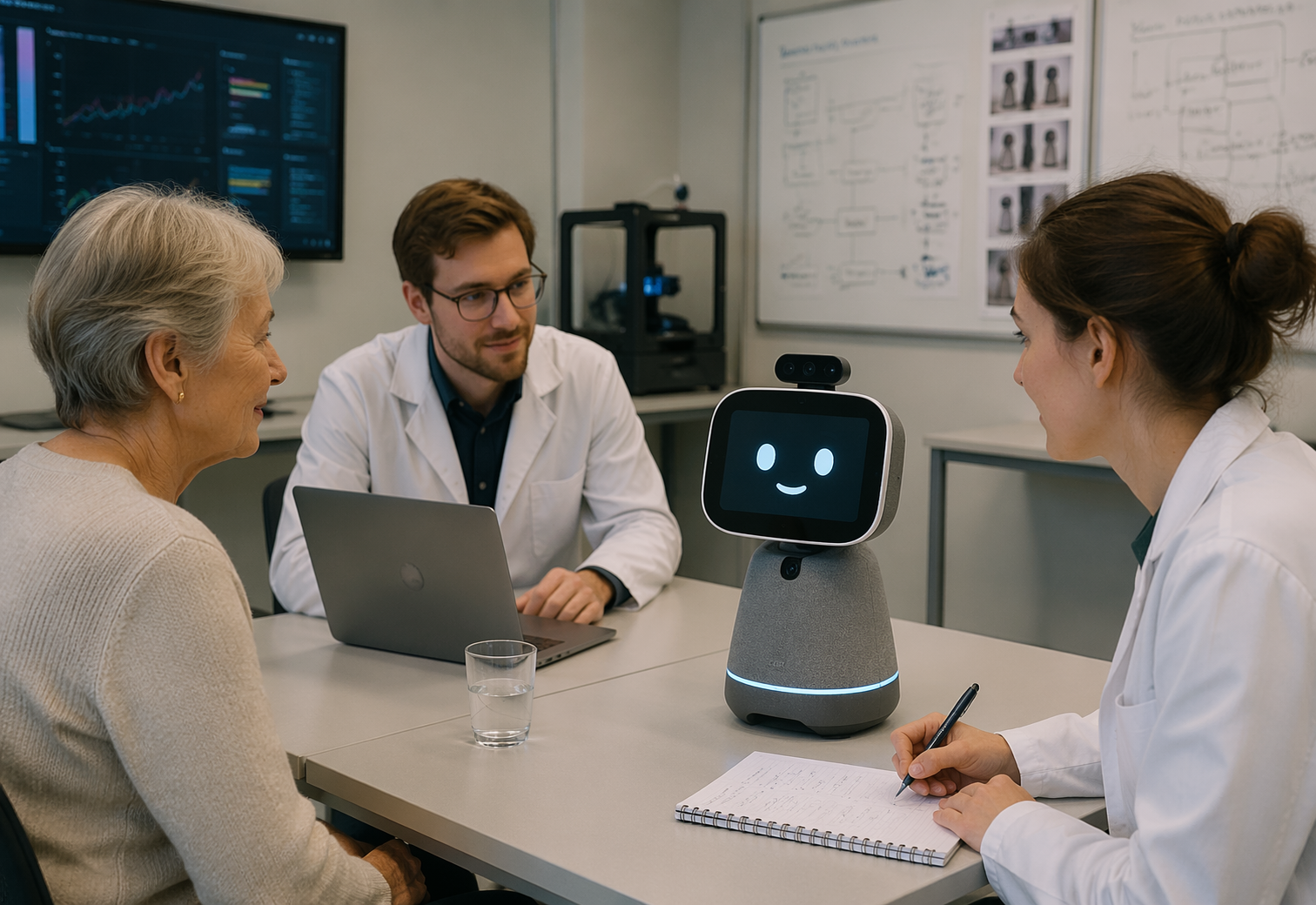
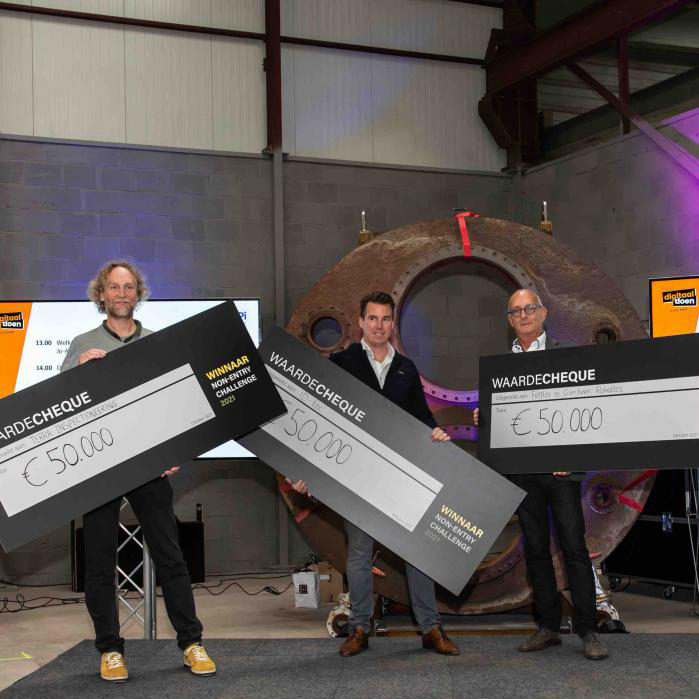
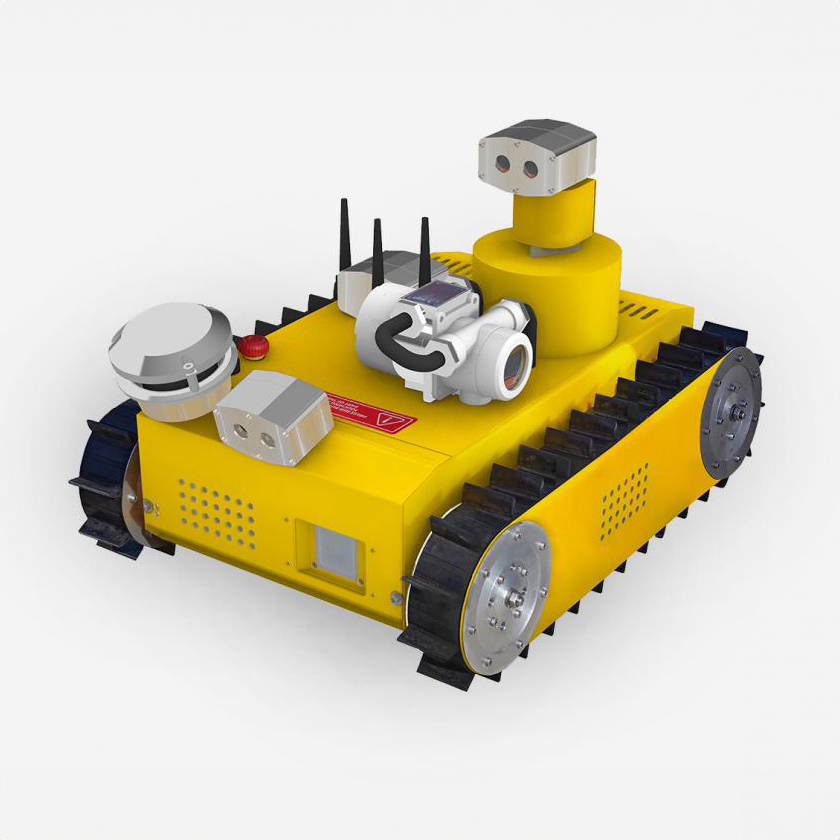
The project is a collaboration between different partners. ImProvia acts as the technical project leader and development partner, while ExRobotics was involved in the initial concept development. Students from Avans University of Applied Sciences are making a significant contribution to the design and implementation, with support from the academies for Health, Technology, and Economics. Care institution De Herbergier Vlijmen is a practical partner for testing the prototype in a realistic care environment. Breda Robotics coordinates the project and ensures the connection with the broader innovation ecosystem, while CIC West-Brabant provides support in the areas of communication and presentation. The project started in 2024 and focuses on developing a CE-approved demonstrator. The approach is iterative: from prototype construction to validation in collaboration with healthcare professionals. Students from Avans University of Applied Sciences are actively involved in the design and further development.