Smart Industry Fieldlab Challenge
What do robots and drones have to do with empty tanks at DOW?
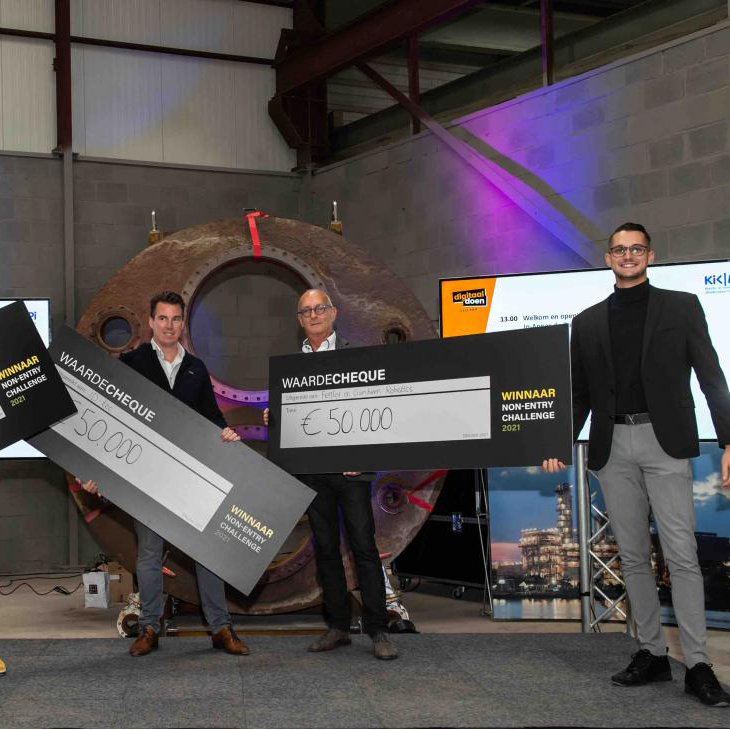
In May 2021, the partners in the OPZuid project Smart Maintenance Labs launched the Non-entry Challenge. With this, they challenged companies, startups, engineers and students to propose solutions for safer work in confined spaces in the process industry. The winners were announced during the ‘Technology & Robotics’ demo event on Wednesday 20 October 2021. Their innovations are so promising that a safe alternative for working in confined spaces is closer than ever.

The challenge
Working in confined spaces such as drums and tanks presents many dangers. These include suffocation, intoxication, and fire and explosion hazards. Furthermore, such activities cost the process industry billions annually. Therefore, everyone has a vested interest in finding a safer and better alternative. Dockwize, KicMPi, Breda Robotics, and a group of companies in the process industry (Zeeland Refinery, BP, DOW, DDM, and DSM) are joining forces with this challenge in the search for that solution. This now seems to be within reach.
Winners
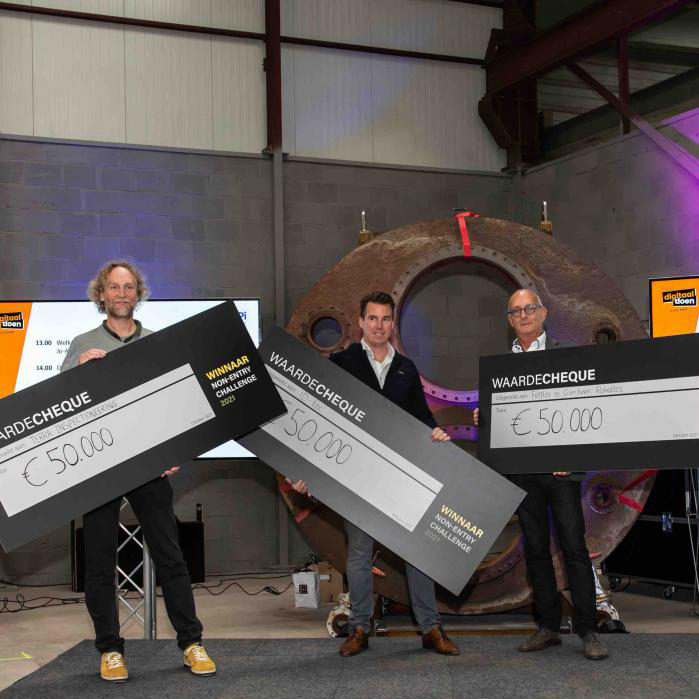
Over the past few months, the organisation received and reviewed the many submissions. The entrants with the most promising innovations were declared the winners of the challenge. These are ID-Tec, Terra Inspectioneering, and the partnership Feyter Industrial Services / Crombeen Robotics. They will be able to further develop their ideas into a working prototype that is ready to go to market.
£150,000 available
The winners will each receive a share of the €150,000 grant that has been made available for this challenge. The grant comes from the European Regional Development Fund, the national government and the provinces of Zeeland and North Brabant as part of OPZuid, and forms part of the overarching Smart Maintenance Labs project. The amount of the grant per winner will be determined in consultation and is based on a 50:10 ratio of grant funding to own contribution for the development of the prototype.
The solutions
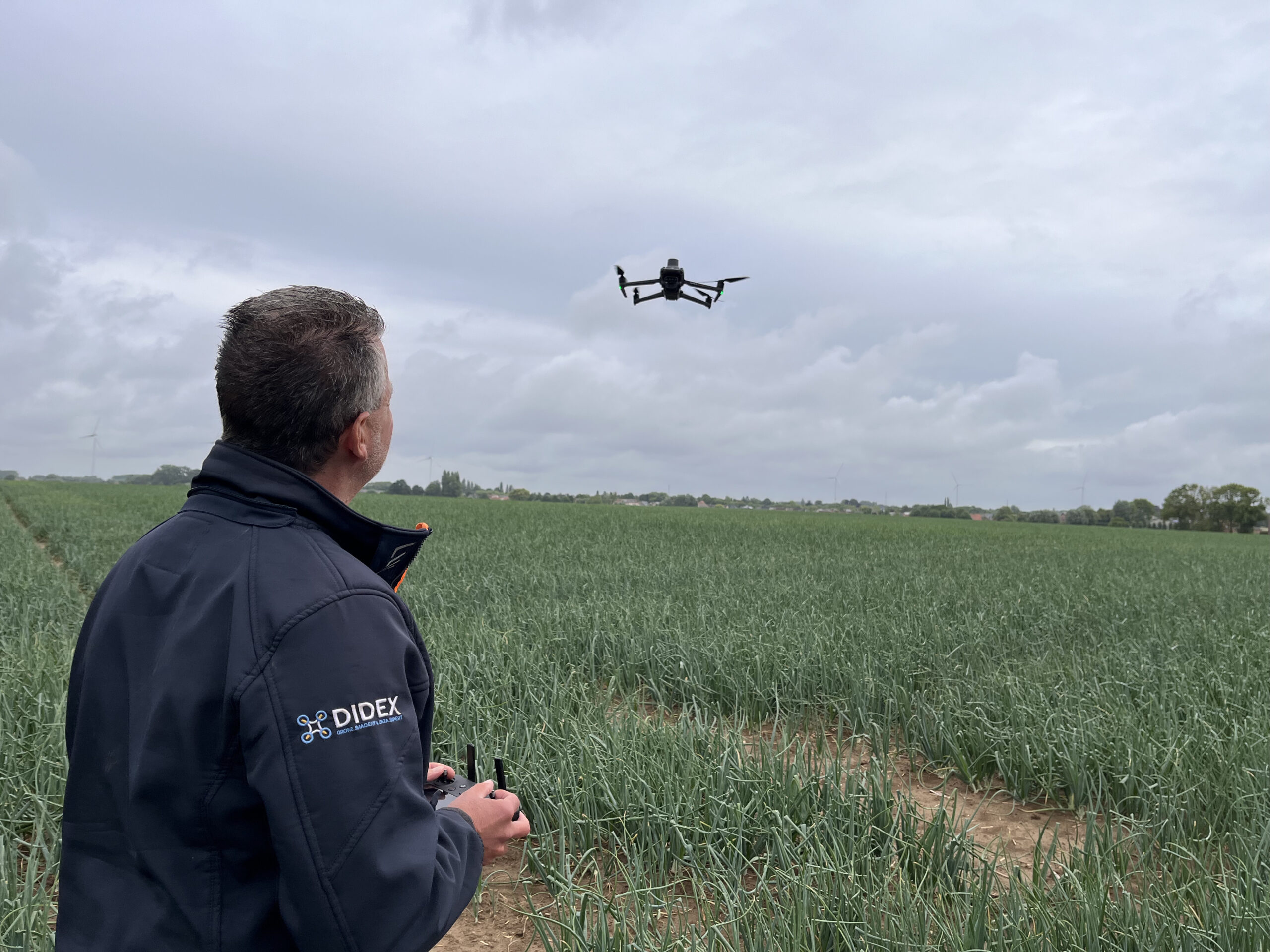
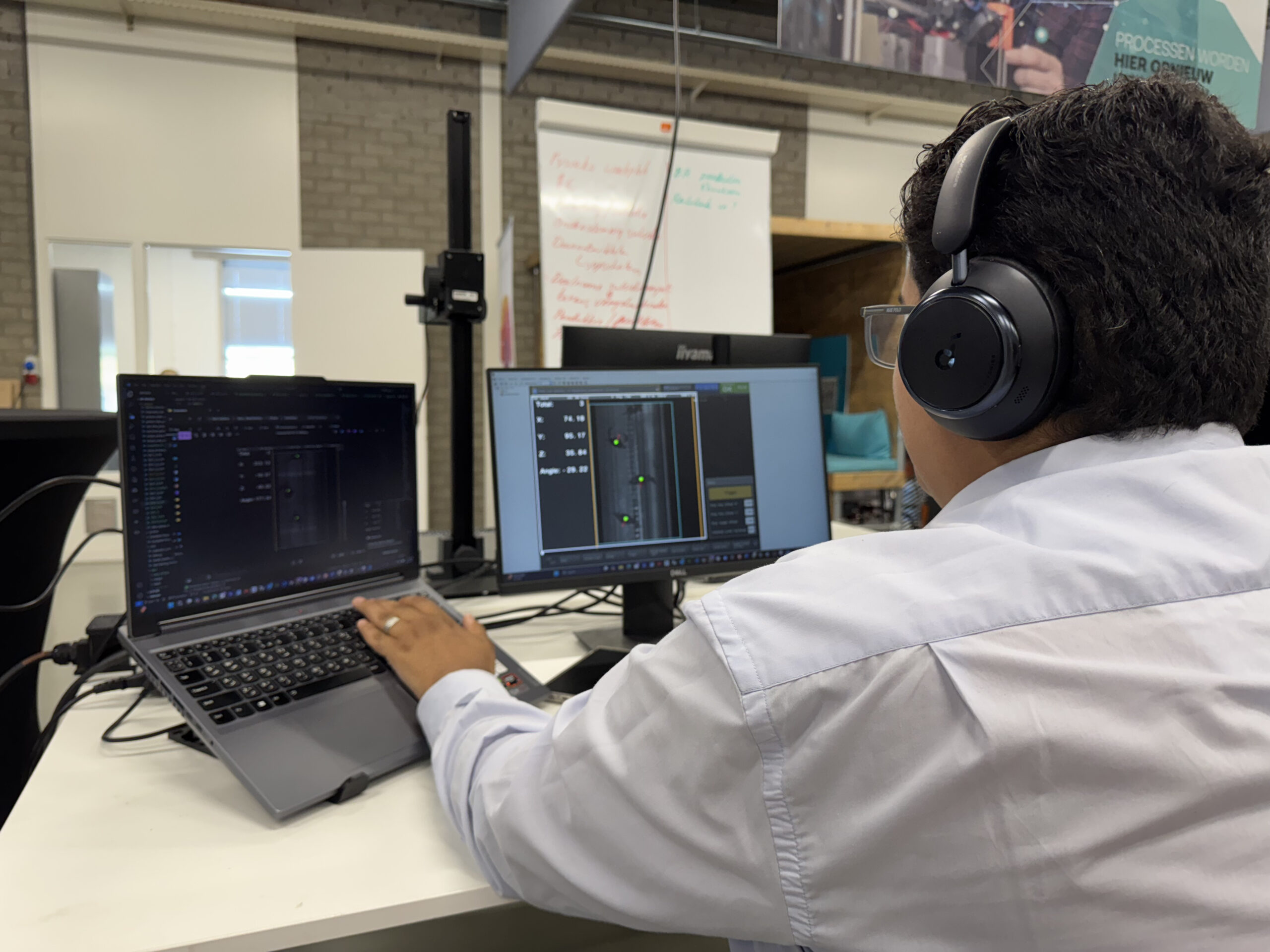
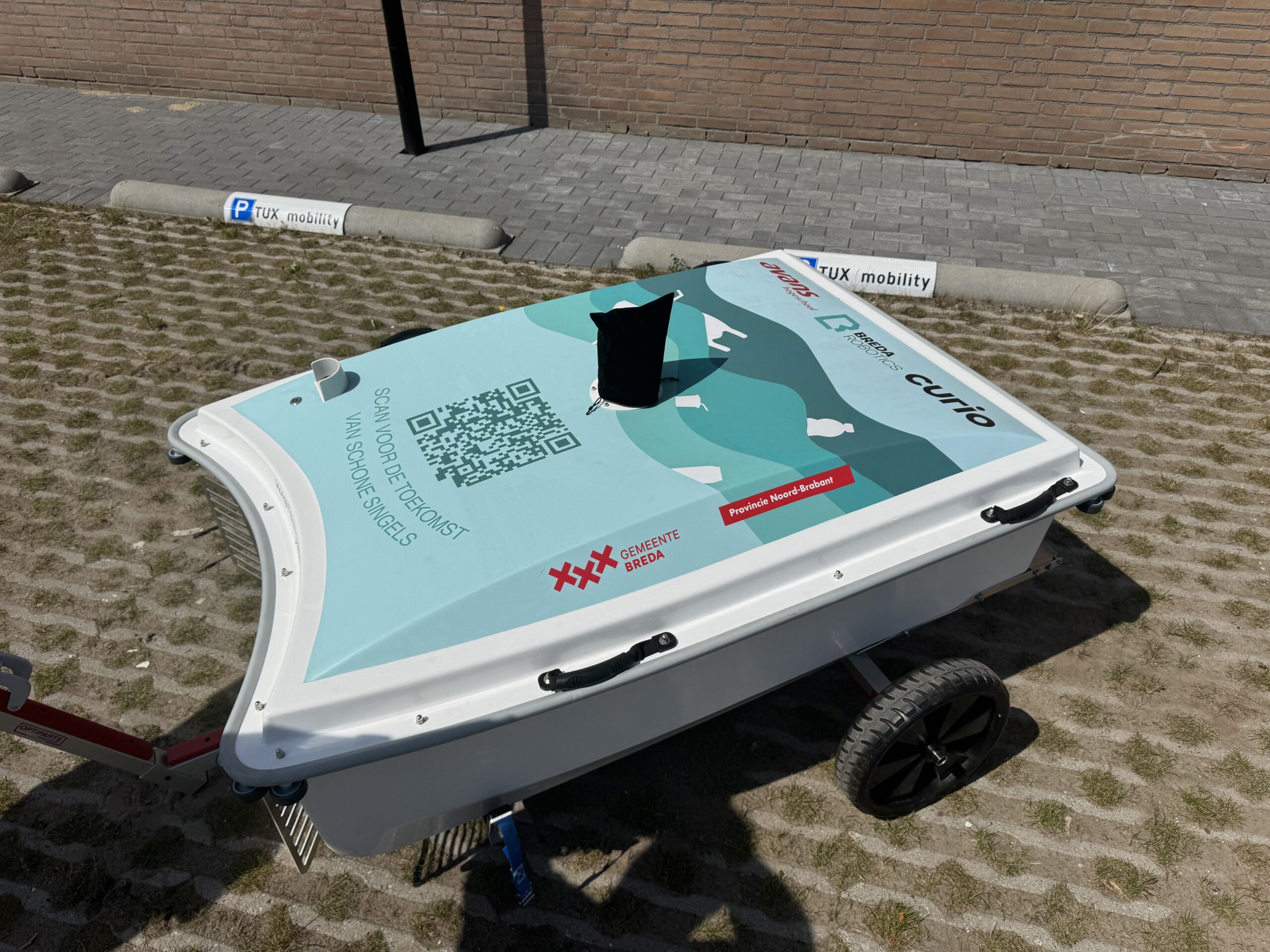
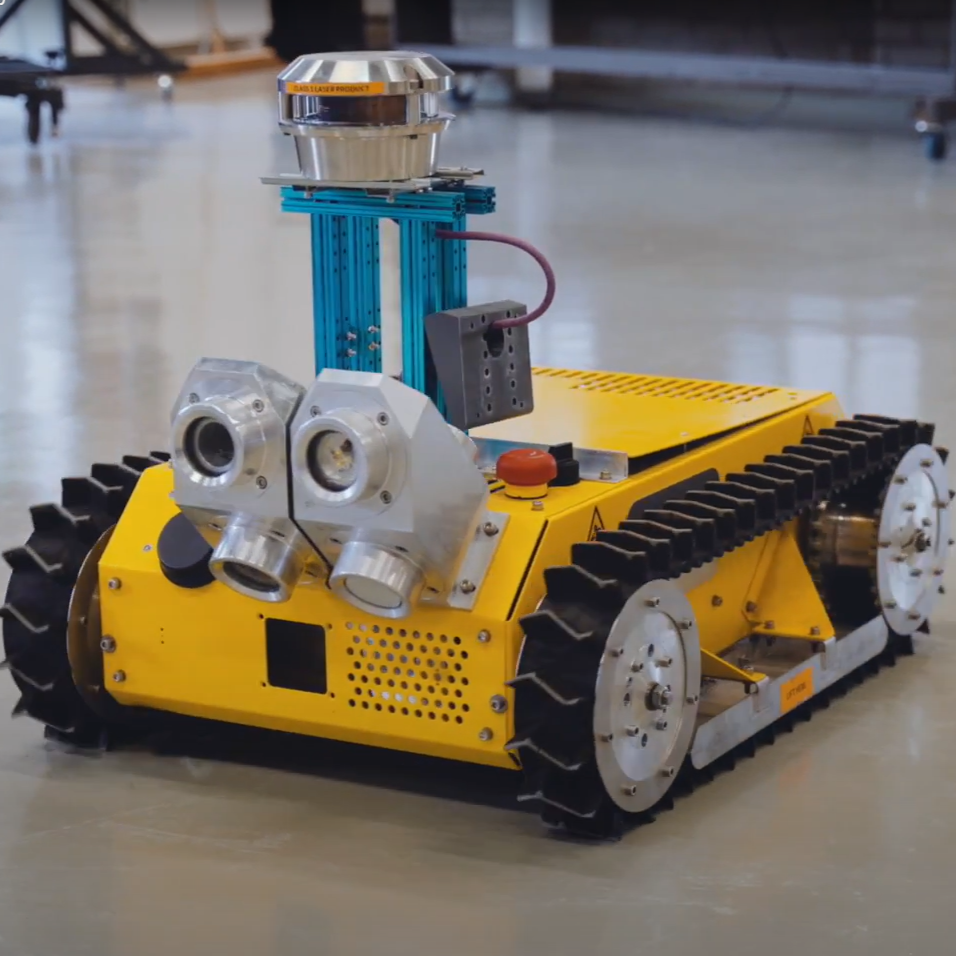
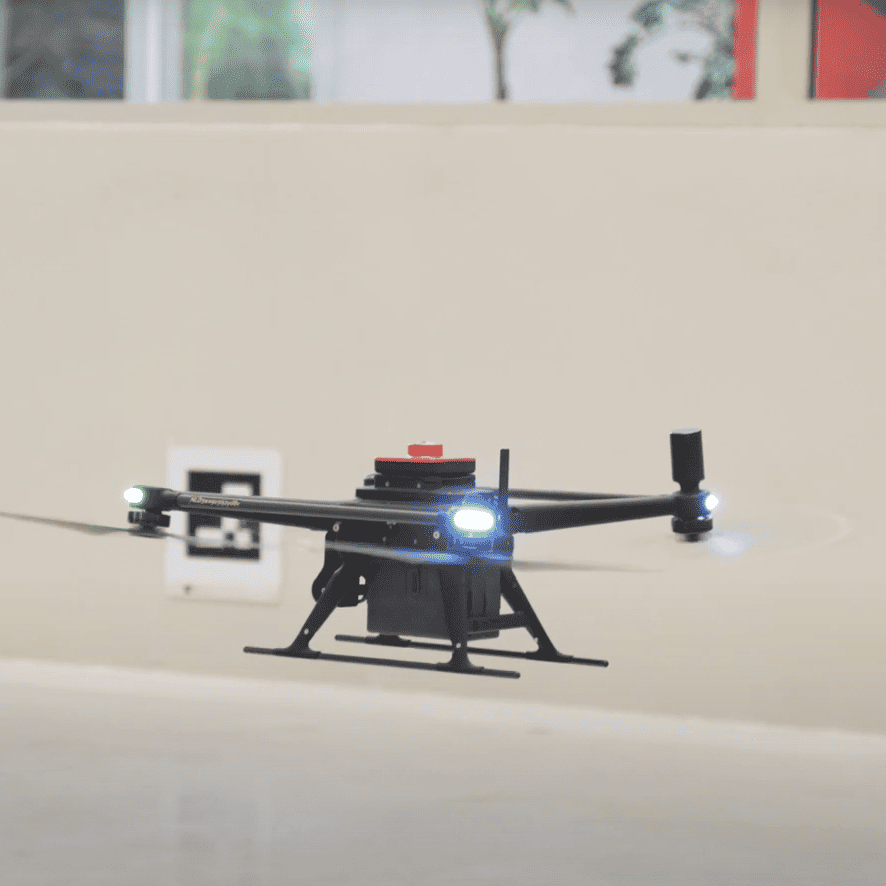
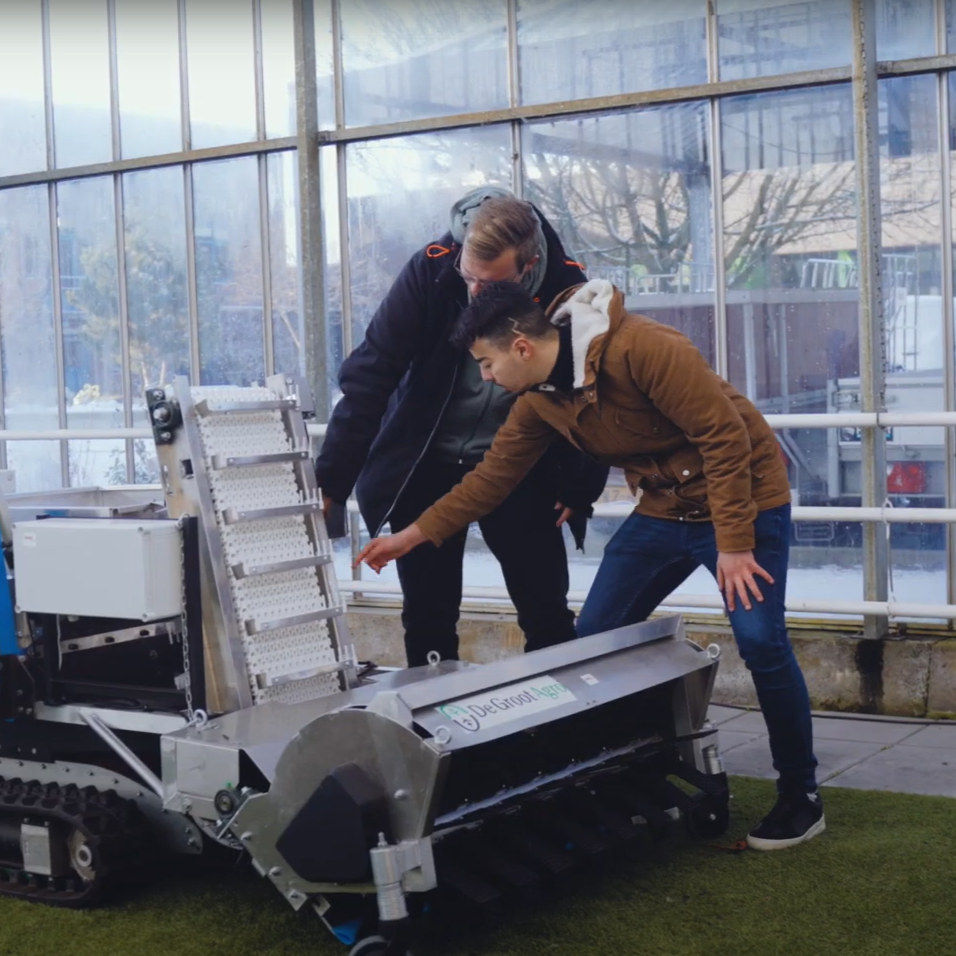
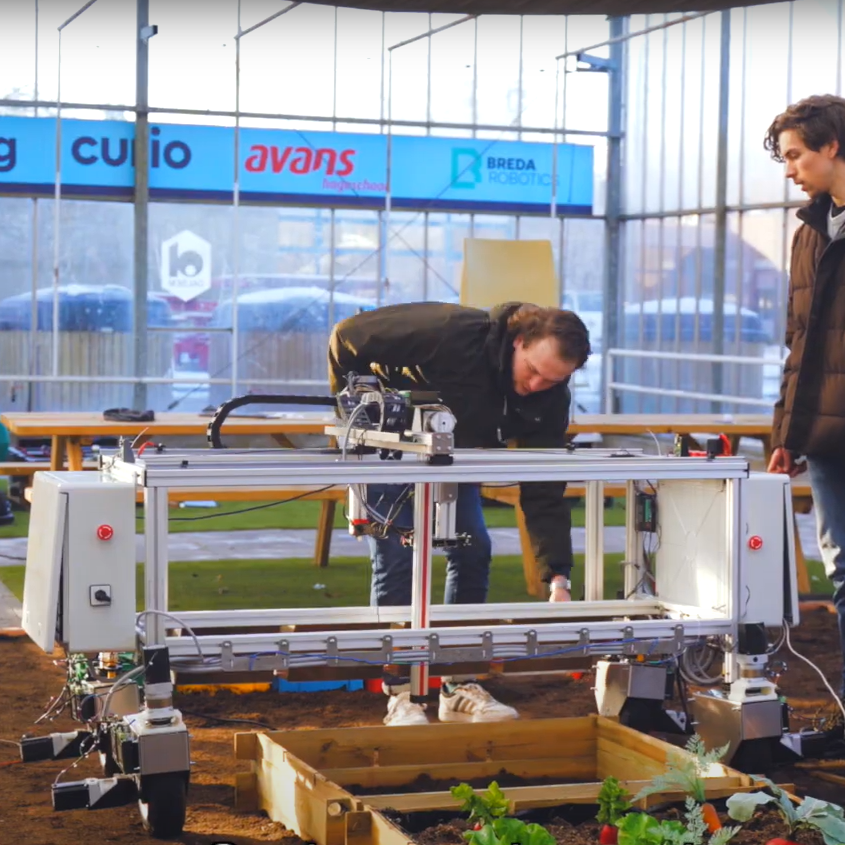
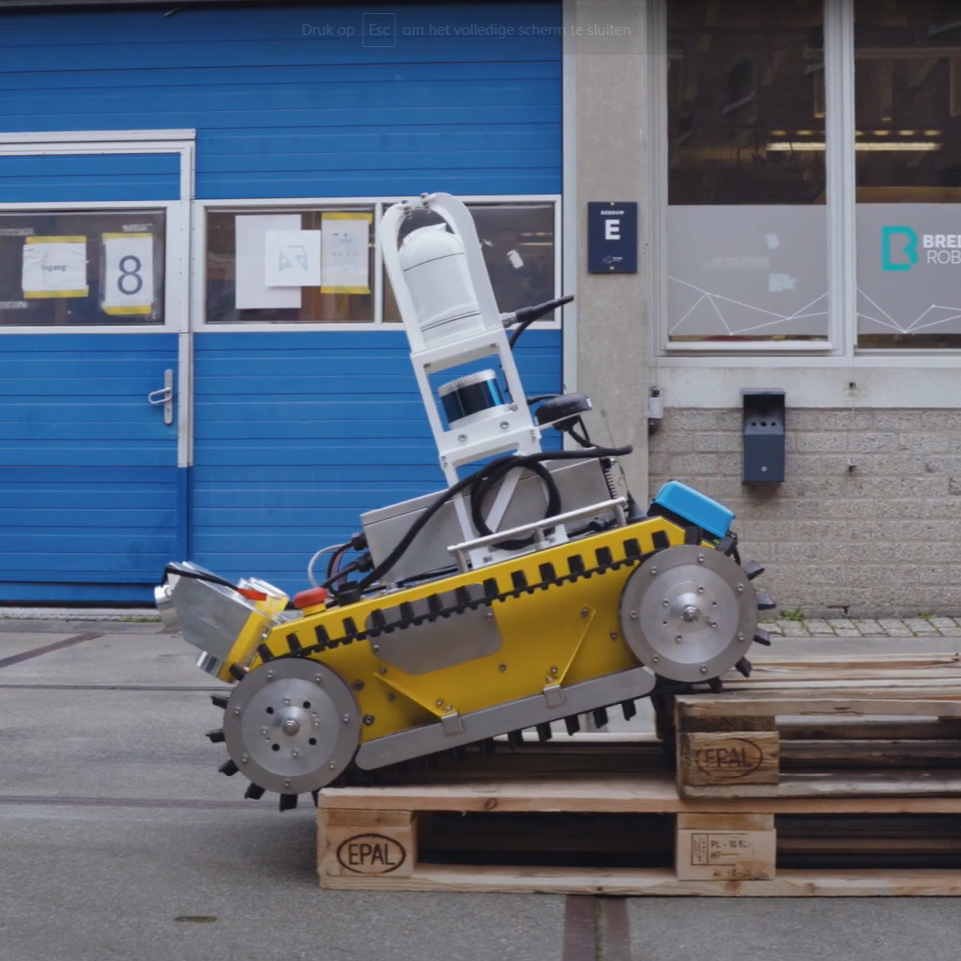
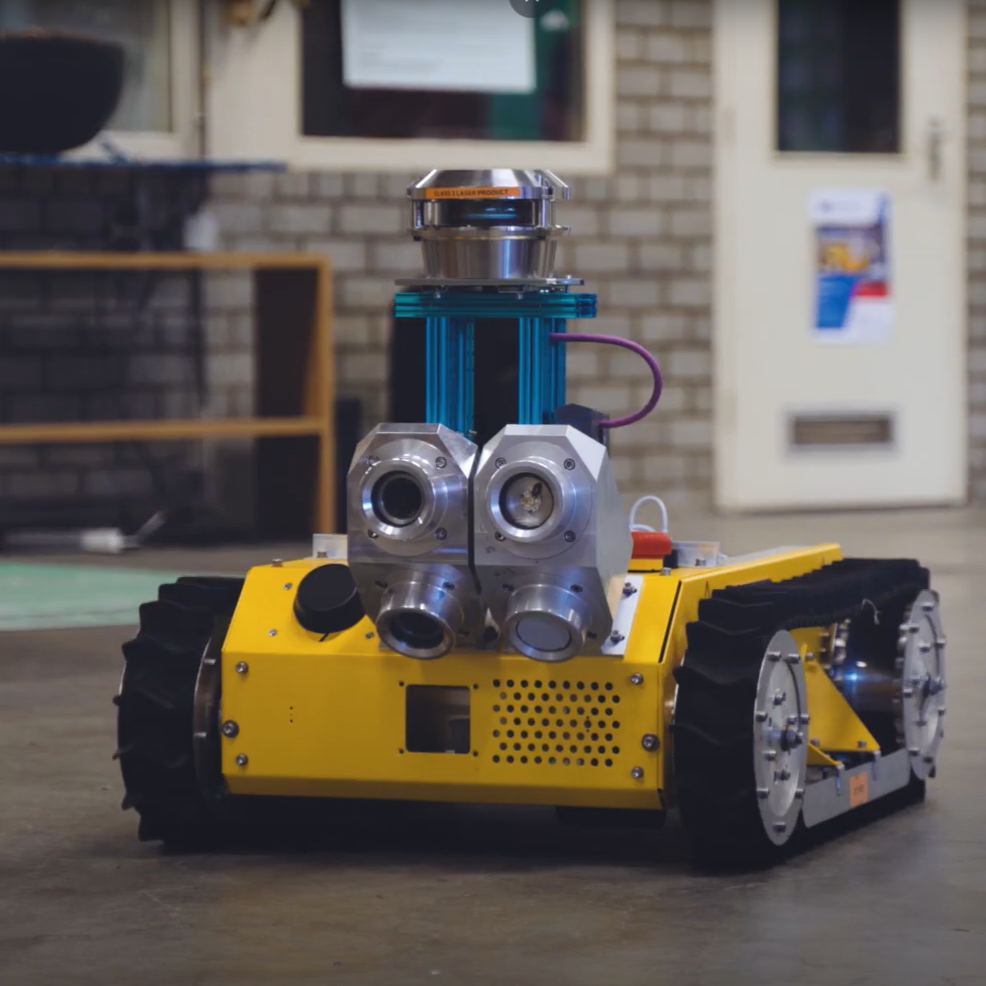
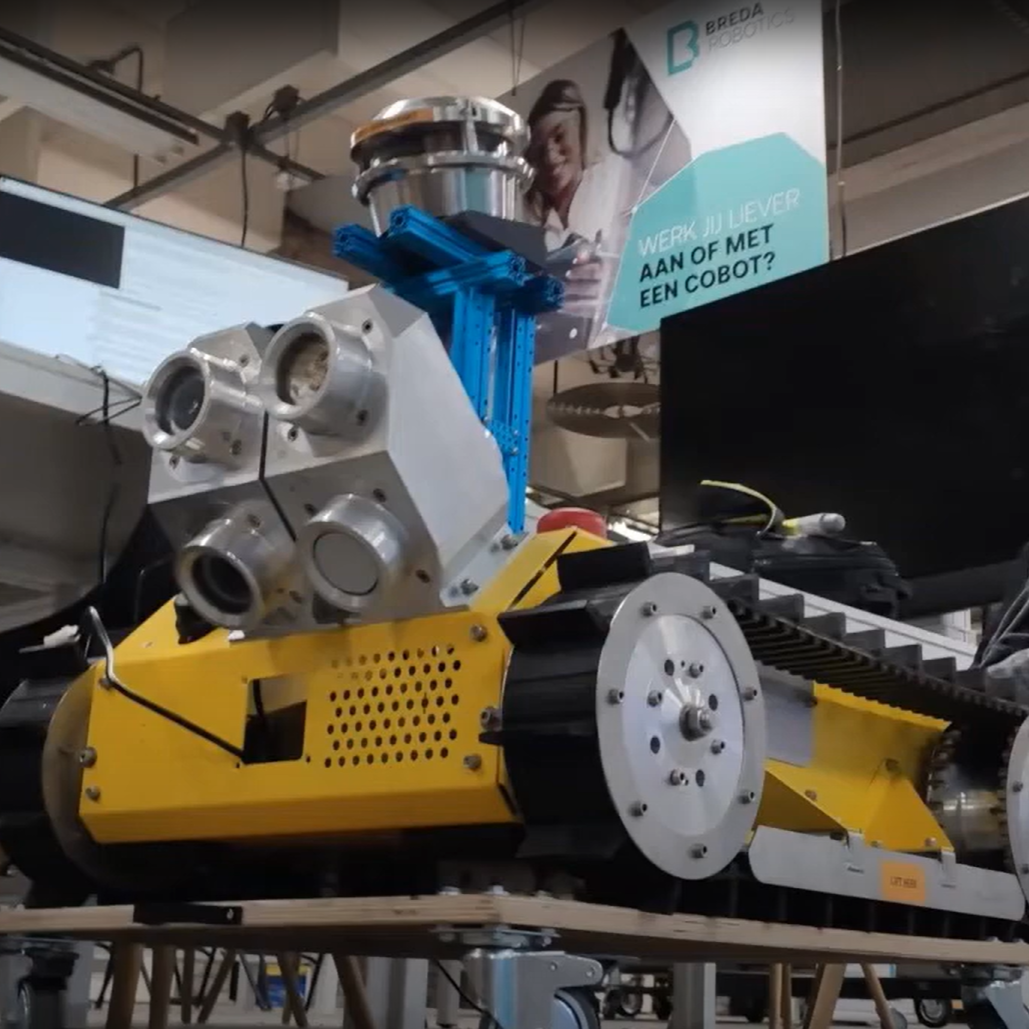
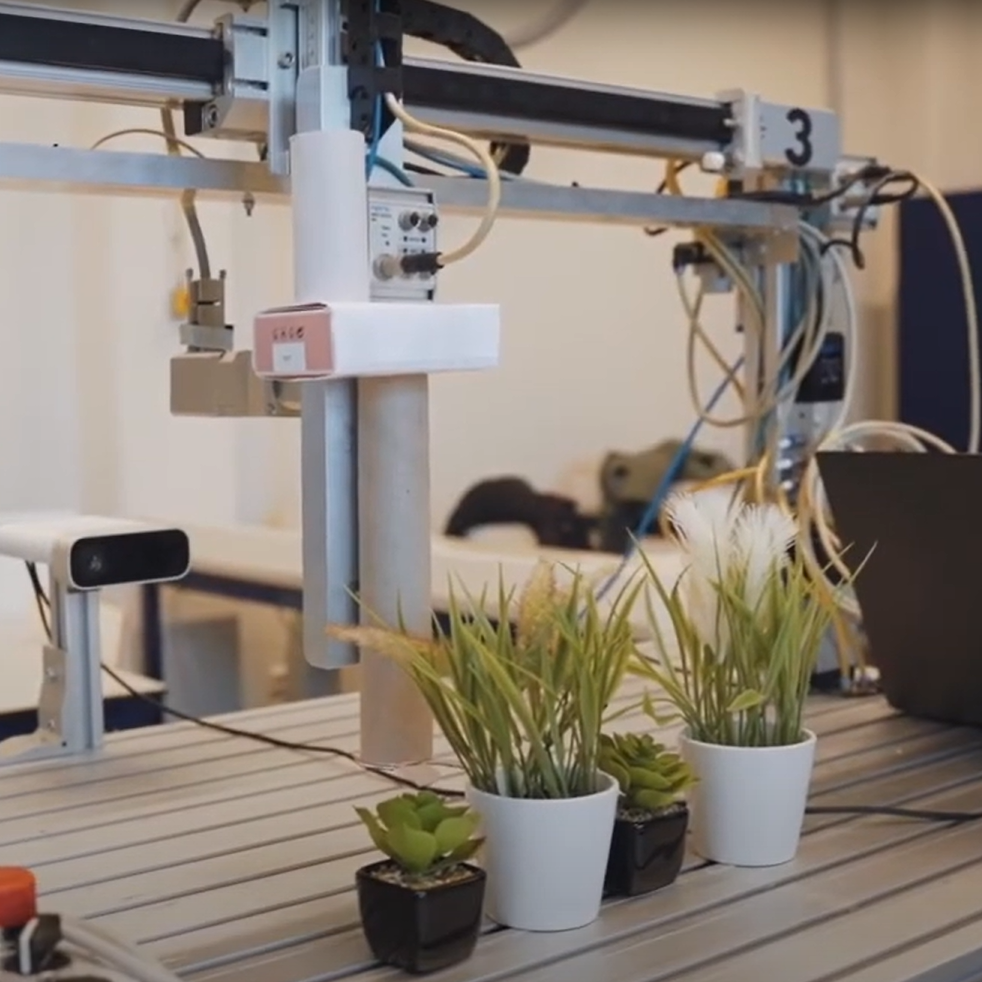
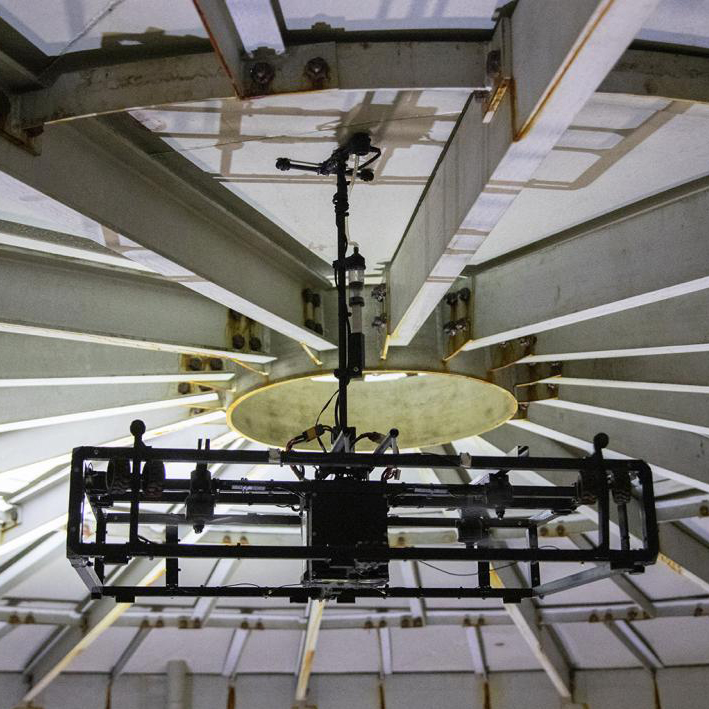
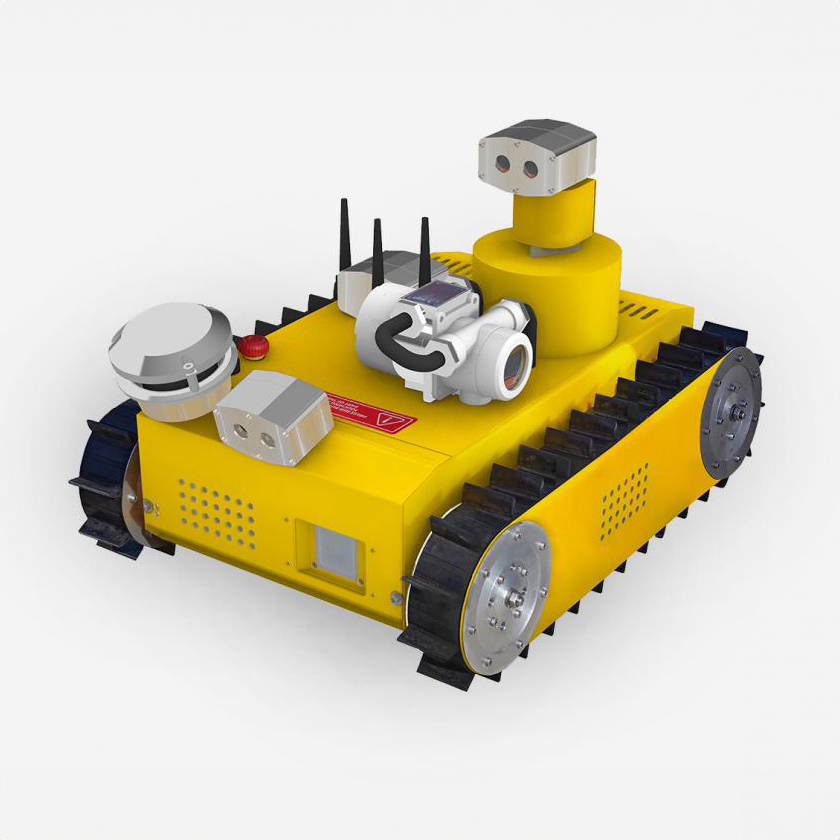
Each winner develops their own prototype for a specific aspect of non-entry work. For example, ID-Tec, an experienced developer of crawlers for industries worldwide, will be working on solutions for mechanical machining and weld inspections. For this, they are developing a crawler robot equipped with a robotic arm or XY frame with image recognition coordination. Terra Inspectioneering, a global player in non-entry drone inspections, is working on a drone that can perform weld inspections with a precision of up to 0.1 millimetres. For this, they intend to combine a 3D point cloud with video footage and develop an algorithm that measures deviations. Finally, the Feyter/Crombeen combination is tackling the development of a prototype robot that can perform mechanical operations such as sawing and welding. This skilled and innovation-focused duo is focusing on developing smart software and building a welding robot that is small enough to fit through a manhole and can be transported via a crawler.
Hands together
The winners of the challenge are not alone in this undertaking. They receive active support from KicMPi's network, Dockwize, Breda Robotics, the involved advisory and educational institutions, companies, and maintenance contractors. All of them contribute their expertise and facilities to these promising innovations. Everyone sees the potential and can't wait until these non-entry solutions become the standard.
Next challenge
As the winners continue to develop their innovations, the organisation is already looking ahead to a new challenge. This success whets the appetite for more…